Introduction
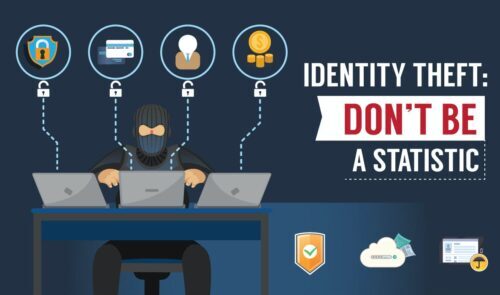
In today’s digital age, Americans are increasingly concerned about hackers and identity theft. These worries stem from the pervasive nature of technology in daily life and the constant threats posed by cybercriminals. Let’s delve into why these concerns are so prevalent and how individuals can protect themselves.
The threat from hackers and identity theft has become a major concern for individuals across America. In recent years, hackers and identity thieves have targeted unsuspecting individuals, leading to a growing fear of online security breaches. According to recent statistics, two-thirds of Americans now worry about the possibility of their personal information being compromised by cybercriminals.
Concerns about cybersecurity are at an all-time high. Recent surveys reveal that approximately two-thirds of Americans frequently worry about hackers and identity theft.
This widespread anxiety underscores the importance of understanding the threats posed by cybercriminals and the measures individuals can take to protect themselves.
Understanding the Prevalence of Cyber Threats
Recent surveys have shown that a majority of Americans are increasingly concerned about the risks of hackers and identity theft. In fact, two-thirds of the population now express worries about the security of their personal data online. This growing concern is not unfounded, as cyberattacks continue to rise in frequency and sophistication, targeting both individuals and organizations across various sectors.
Cyber threats have become increasingly sophisticated, targeting individuals and organizations alike. In 2023, American adults lost a staggering $43 billion to identity fraud.
This alarming figure highlights the pervasive nature of cybercrime and its significant financial impact on society.
Factors Contributing to Increased Worry
There are several reasons behind the heightened concern about cybersecurity among Americans. The potential impact of a data breach or identity theft can be devastating, leading to financial loss, reputation damage, and emotional distress. With more individuals sharing personal information online and conducting financial transactions through digital platforms, the risk of falling victim to cybercrime has become a harsh reality for many.
Several factors contribute to the growing concern among Americans regarding cyber threats:
-
Data Breaches: High-profile data breaches have exposed the personal information of millions, leading to increased awareness and fear of potential misuse.
-
Advancements in Technology: The rise of artificial intelligence (AI) has introduced new risks. A survey conducted in 2023 found that 82% of consumers are concerned about the use of AI by criminals to steal identities.
-
Personal Experiences: Nearly half of Americans report being victims of financial fraud, with credit card theft being the most common form.
Other Factors Leading to Fear
Pervasiveness of Technology
Technology is everywhere, from smartphones to laptops, making it easier for hackers to gain access to personal information. Americans worry that every online transaction or social media post could potentially expose them to cyber threats.
Financial Implications
Identity theft can have devastating financial consequences. Hackers can steal credit card information, drain bank accounts, and even apply for loans using stolen identities. Americans fear the financial turmoil that could result from falling victim to such crimes.
Invasion of Privacy
Privacy is a fundamental concern for many Americans. The thought of someone gaining unauthorized access to personal emails, photos, or conversations is unsettling. Hackers can breach privacy barriers, leaving individuals feeling vulnerable and exposed.
Psychological Aspects of Identity Theft
Fear of Data Breaches
Large-scale data breaches regularly make headlines, fueling Americans’ anxiety about the security of their personal information. Whether it’s a major corporation or a government agency, no entity seems immune to cyber attacks. These breaches erode trust and confidence in the institutions tasked with safeguarding sensitive data.
Potential for Cyber Stalking
Cyber stalking is a serious concern in today’s interconnected world. Hackers can use various tactics to track individuals online, monitor their activities, and even harass them through social media or email. This fear of being constantly watched adds to the overall apprehension about online safety.
Impact on Reputation
Identity theft doesn’t just affect finances; it can also damage one’s reputation. Hackers may impersonate individuals online, tarnishing their name and credibility. Americans worry about the long-term repercussions of having their identity compromised and the difficulty of restoring their reputation.
Risks to Personal Safety
In extreme cases, hackers can pose physical threats by gaining access to home security systems or personal devices. This fear of physical harm adds another layer of concern for Americans, especially in an era where internet-connected devices are increasingly integrated into everyday life.
Sense of Helplessness
Despite efforts to protect personal information, many Americans feel powerless against the ever-evolving tactics of hackers. The constant barrage of cybersecurity threats leaves individuals unsure of how to effectively safeguard themselves and their loved ones.
Fear
The fear of hackers and identity theft can take a toll on mental well-being. Constantly worrying about the security of one’s digital presence can lead to stress, anxiety, and paranoia. This psychological burden further underscores the importance of addressing cybersecurity concerns.
Common Types of Cyber Threats
Understanding the common types of cyber threats can help individuals take proactive measures:
-
Phishing Attacks: Deceptive attempts to obtain sensitive information by masquerading as trustworthy entities.
-
Malware: Malicious software designed to harm or exploit any programmable device or network.
-
Ransomware: A type of malware that threatens to publish the victim’s data or block access unless a ransom is paid.
Protecting Against Hackers and Identity Theft
Despite these concerns, there are steps individuals can take to mitigate the risks:
- Use strong, unique passwords for each online account.
- Enable two-factor authentication whenever possible.
- Regularly monitor financial accounts for suspicious activity.
- Be cautious when sharing personal information online.
- Keep software and security systems updated to patch vulnerabilities.
- Educate oneself about common cyber threats and how to recognize them.
- Consider investing in identity theft protection services for added security.
Conclusion
Identity theft and hacker concerns continue to mount as hackers and identity thieves target individuals and organizations alike. By taking proactive steps to protect your personal information and online accounts, you can mitigate the risks of falling victim to identity theft. Stay vigilant, update your security measures regularly, and educate yourself on the latest cybersecurity threats to safeguard your digital presence.
By being proactive and vigilant, Americans can better protect themselves against hackers and identity theft. While the threat may never fully disappear, taking preventive measures can help mitigate the risks and provide peace of mind in an increasingly digital world. Together, we can work towards a more secure online environment for all.
For more information from the Federal Trade Commission click here
Other informative articles found here