Introduction
Welcome to my latest blog on navigating debit and credit card fraud!
In today’s digital age, where cashless transactions have become the norm, it’s unfortunate that fraudsters are lurking around every corner, ready to compromise our financial security. But worry not, because we’re here to help you respond effectively and protect yourself against debit and credit card fraud.
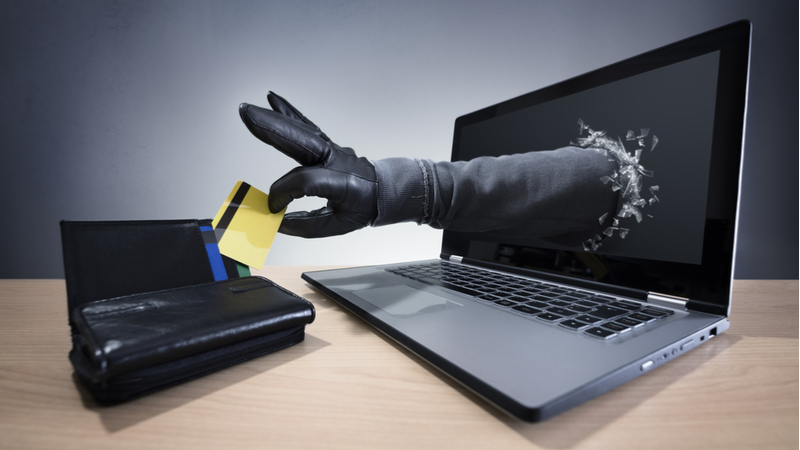
Credit card fraud is a complex form of identity theft that occurs when someone gains access to your credit card information and uses it to charge purchases to the account or remove funds from it.
Credit card fraud can happen to anyone, but a few simple precautions can help protect your money and personal information. From shopping online to using your card in stores, practicing good credit card security can reduce the risk of unauthorized transactions and identity theft.
By monitoring your accounts, creating strong passwords, using secure payment methods, and recognizing common fraud scams, you can improve your online security and enjoy greater peace of mind. Taking proactive steps toward credit card fraud prevention is an important part of protecting your financial information.
Understanding Debit and Credit Card Fraud
Debit and credit card fraud come in many forms, from skimming and phishing to identity theft. It’s essential to grasp the various techniques used by fraudsters to exploit unsuspecting victims. Signs of potential card compromise may include unexpected transactions or unfamiliar charges on your financial statements. It’s crucial to stay vigilant and regularly monitor your accounts to nip any fraudulent activity in the bud.
It occurs when someone gains access to your credit card information to make unauthorized purchases or withdraw funds. Thieves use various methods to commit this type of fraud, including application fraud, skimming, and physical theft. By monitoring your accounts, developing safe online habits, and regularly checking your credit reports, you can help prevent credit card fraud.
Types of Credit Card Fraud
Thieves employ different tactics to commit credit card fraud, including:
Credit Card Application Fraud: This occurs when someone uses your personal information to open a new credit card in your name. Thieves might obtain your details through malware or data breaches, leading to damaging hard inquiries on your credit report.
Phishing and Smishing Scams: Phishing involves sending fraudulent emails to trick you into revealing personal information or downloading malware. Smishing uses the same strategy through text messages, often appearing to be from trusted sources like banks or retailers.
Credit Card Skimming and Cloning: Skimmers are devices attached to legitimate card readers at ATMs, gas pumps, or restaurants. They steal your card information, which can then be cloned onto a blank or stolen card for unauthorized use.
Credit Account Takeovers: This fraud occurs when someone uses your stolen information to impersonate you with your credit card issuer. They might change your login credentials and have a new card issued in your name but sent to their address.
Lost or Stolen Credit Cards: Physical theft of your credit card can lead to unauthorized use, compromising your account security.
Skimmers
Immediate Action Plan
If you suspect debit or credit card fraud, it’s important to act swiftly. The quicker you respond, the lesser the damage. Immediately contact your bank or card issuer to report the fraudulent activity. They will guide you on the necessary steps to freeze or cancel your affected cards, preventing any further unauthorized charges. Additionally, consider utilizing mobile banking apps, text alerts, or push notifications for real-time updates, ensuring you stay in control of your finances.
Responding to debit and credit card fraud involves several crucial steps to safeguard your finances and identity.
Review these steps:
First: Upon noticing any suspicious activity on your card, promptly contact your bank or card issuer. Report the fraudulent charges to their fraud department. Most banks provide a 24/7 hotline for such cases.
Freeze Your Card: Request your bank to freeze or cancel your compromised card to prevent further unauthorized transactions. They will issue a new card with a different number to ensure your security.
Document Everything: Keep a meticulous record of all conversations, correspondence, and actions taken regarding the fraud. This documentation will be vital when reporting to authorities or disputing charges.
Change Passwords and PINs: Ensure you change all associated passwords, PINs, and security questions linked to your compromised card or accounts. Use strong, unique passwords for added security.
Monitor Your Accounts: Regularly monitor your bank statements, transaction history, and credit reports for any unusual activity. This ongoing vigilance helps identify any potential red flags promptly.
File a Fraud Report: Report the fraudulent activity to the Federal Trade Commission (FTC) by filing a report online or via phone. This step helps in creating an official record of the incident.
Notify Credit Bureaus: Contact major credit bureaus (Equifax, Experian, TransUnion) to place a fraud alert on your credit report. This alert notifies creditors to take extra steps in verifying your identity before extending credit.
Contact Law Enforcement: File a report with your local police department or the law enforcement agency where the fraud took place. Obtain a copy of the report as it might be required by your bank or creditors.
Cooperate with Investigations: Be prepared to cooperate fully with any investigations conducted by your bank, authorities, or other relevant institutions. Provide necessary documentation and information to aid in resolving the issue.
Follow-up Regularly: Stay in touch with your bank and other involved parties to ensure the issue is being addressed. Follow up on any pending actions or investigations related to the fraud.
Be Cautious: Be cautious of any unsolicited calls, emails, or messages claiming to be from your bank or authorities asking for personal information. Fraudsters often attempt further scams by posing as legitimate entities.
Educate Yourself: Take the opportunity to educate yourself on fraud prevention measures. Understand how fraudsters operate and learn about security practices to protect yourself in the future.
Consider Identity Theft Protection Services: Evaluate identity theft protection services offered by various companies. These services may provide additional layers of security and monitoring for your personal information.
Click here for 10 Top Protection Services
Review Legal Rights: Familiarize yourself with your rights as a victim of fraud. Some laws offer protections and rights to victims, including limitations on liability for fraudulent charges.
Stay Vigilant: Even after resolving the immediate issue, continue to be vigilant about your financial accounts and personal information. Regularly review your credit reports and take necessary precautions.
Restoring Financial Security
Once you have successfully addressed the initial fraud incident, it’s crucial to focus on restoring your financial security. Authorities, such as law enforcement agencies, play a vital role in investigating and prosecuting card fraud cases. Continue monitoring your credit reports to identify any lingering effects and take necessary steps to rectify them. Strengthen your security measures, update passwords regularly, and enable additional authentication methods to prevent future breaches.
You can dispute fraudulent accounts on your credit reports if you notice information that you believe is the result of fraud. The three nationwide consumer reporting agencies — Equifax, Transunion® and Experian® – offer several ways to help better protect against identity theft and credit card fraud, including fraud alerts, security freezes and credit locks.
Safeguarding Against Future Fraud
Prevention is key!
Protect yourself from future debit and credit card fraud by implementing a few essential measures.
Consistently create strong, unique passwords for each online account you possess. Regularly update your software to ensure your devices are armed with the latest security patches.
Vigilantly safeguard your personal information, be wary of phishing attempts, and avoid clicking on suspicious websites or links.
Virtual card numbers or tokenization can add an extra layer of security when making online payments.
By staying proactive, you significantly reduce the risk of falling victim to fraudsters in the future.
Stay informed about the latest credit card fraud techniques and share this information with friends and family. Awareness is a powerful tool in preventing fraud.
Scammers are getting smarter—but so can you. In this video, we share essential scam and fraud prevention tips to help protect seniors from phone scams, online fraud, fake charities, and identity theft.
Conclusion
Responding to debit and credit card fraud requires swift action, clear communication with relevant parties, and ongoing diligence to protect your finances and identity. By following these steps diligently, you can mitigate the impact of fraud and prevent further incidents.
Remember to stay vigilant, regularly monitor your financial statements, and report any suspicious activity to your bank or card issuer promptly. Take charge of your financial security by implementing stronger security measures and maintaining an ongoing awareness of potential threats. Share this guide with your friends and family, so they too can protect themselves and prevent the inconvenience caused by card fraud. Let’s make fraudsters’ lives more difficult and keep our hard-earned money where it belongs – with us!
To access other related blogs and a variety of topics click here